A Seller’s Guide to Understanding Demand, Pricing, and Competition

Facebook
Twitter
LinkedIn
Reddit
Email
WhatsApp
Pinterest

A Seller’s Guide to Understanding Demand, Pricing, and Competition

Understanding Market Demand Through Data, Not Assumptions:

Market demand is not a gut feeling. It is a measurable signal driven by customer behavior, purchasing power, seasonality, and trends. Sellers who rely on assumptions often misjudge what customers actually want, when they want it, and how much they are willing to pay. Advanced demand analysis starts with interpreting real data instead of chasing intuition.
Key indicators of demand include:

  • Search volume trends across marketplaces and search engines
  • Historical sales velocity and repeat purchase rates
  • Seasonal spikes, regional preferences, and lifestyle shifts
  • Customer reviews and feedback patterns that reveal unmet needs

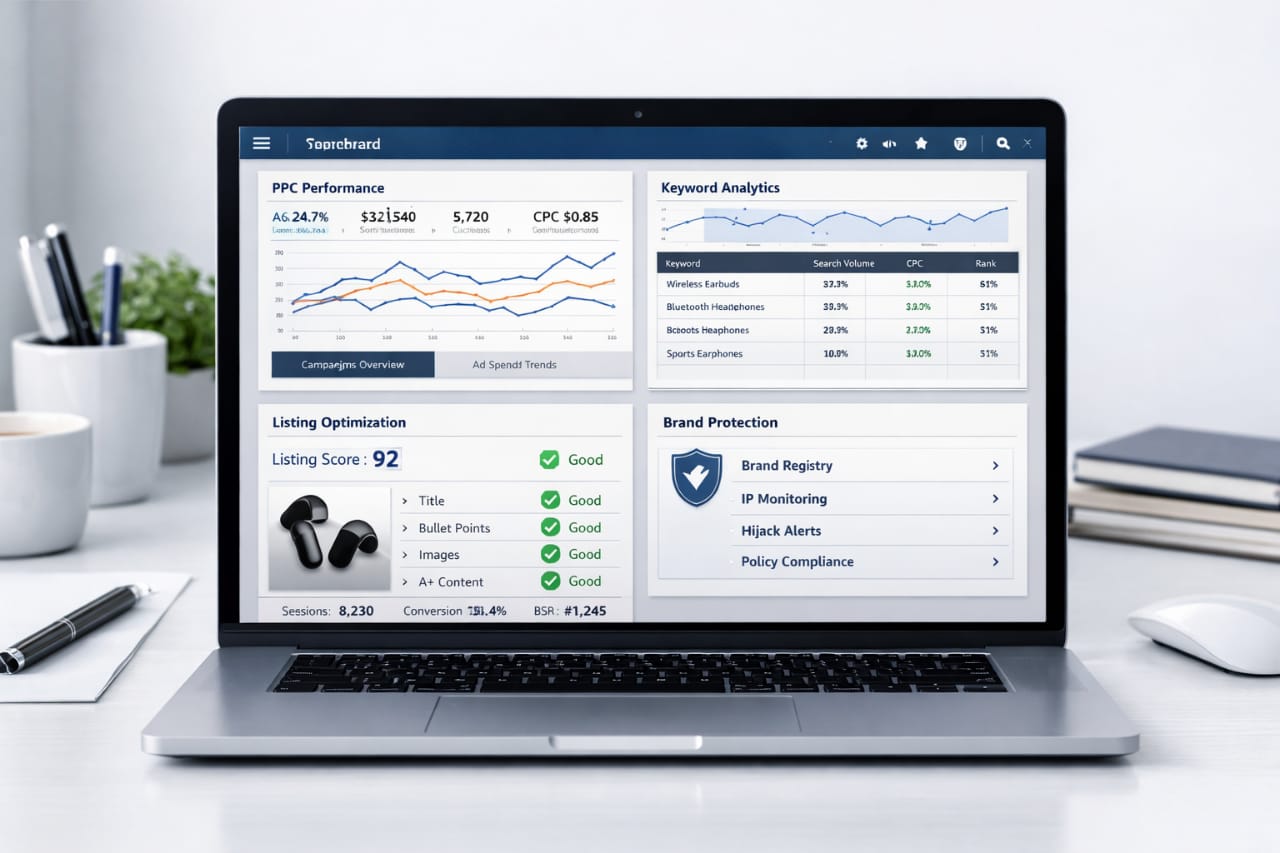
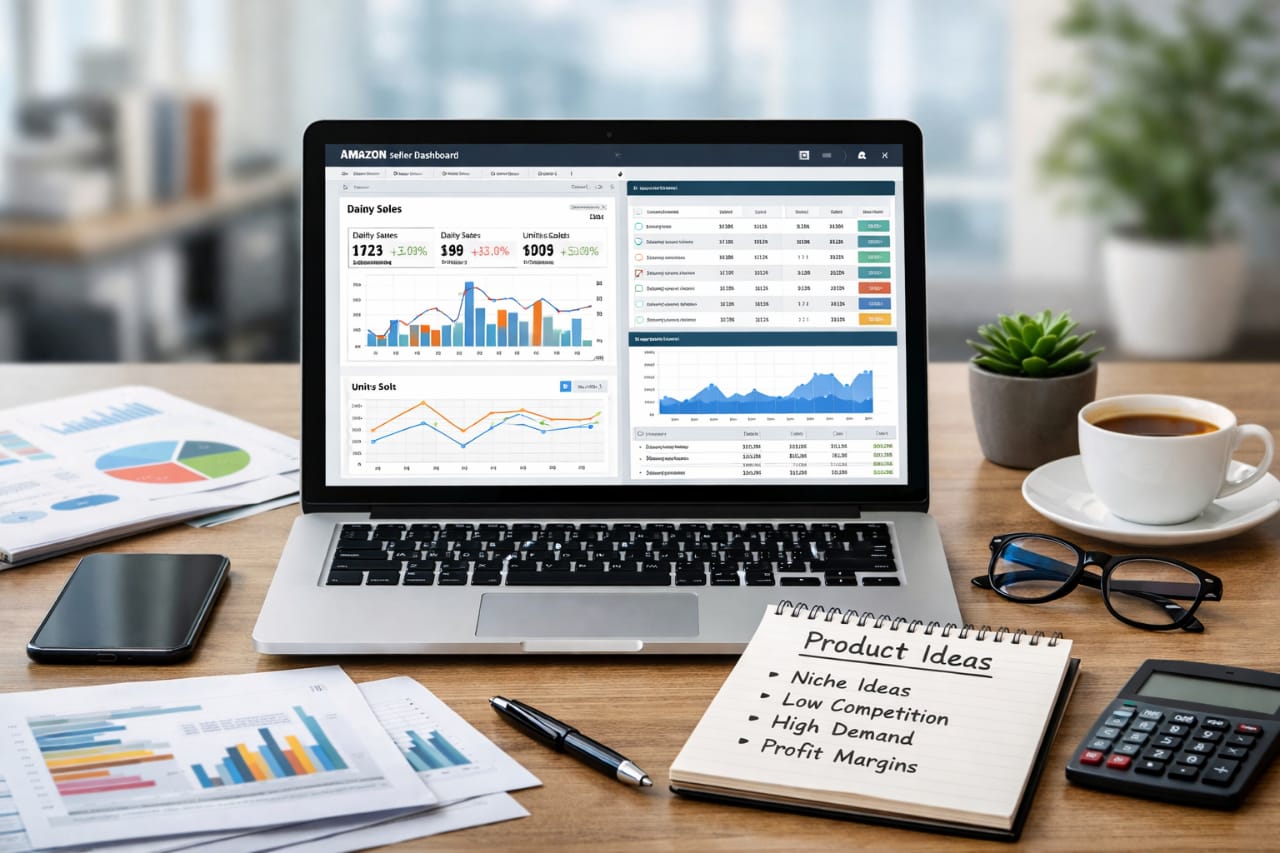
High-performing sellers continuously monitor these indicators to anticipate demand rather than react to it. Demand forecasting tools, keyword analytics, and consumer behavior reports help sellers position inventory ahead of competitors, reducing overstock risk and missed sales opportunities

Strategic Pricing as a Competitive Weapon:

Pricing is not just about covering costs and adding a margin. It is a strategic lever that directly affects brand perception, demand elasticity, and long-term profitability. Advanced pricing strategies account for customer psychology, perceived value, and competitive benchmarks rather than defaulting to undercutting rivals.
Effective pricing strategies often involve:

  • Value-based pricing aligned with customer benefits, not just production cost
  • Dynamic pricing adjustments based on demand fluctuations and inventory levels
  • Psychological price points that increase conversion without eroding margins
  • Tiered pricing to capture different customer segments simultaneously

Smart sellers understand that the lowest price rarely wins sustainably. Instead, they optimize price to balance volume, margin, and brand credibility, ensuring profitability even in competitive markets.

Analyzing Competition Beyond Surface-Level Comparisons:

Competitive analysis goes far beyond checking who sells cheaper. Advanced sellers dissect competitors’ positioning, strengths, and vulnerabilities to find opportunities for differentiation. This requires systematic evaluation rather than casual observation.
A comprehensive competitor analysis should cover:

  • Product features, quality, packaging, and customer experience
  • Pricing structures, discounts, and bundling tactics
  • Brand messaging, trust signals, and social proof
  • Distribution channels, delivery speed, and after-sales support

By mapping competitors across these dimensions, sellers can identify gaps where customer expectations are unmet. Winning strategies often emerge not from copying competitors, but from improving what they overlook.

Aligning Demand, Pricing, and Competition Into One Strategy

The real advantage comes when demand insights, pricing strategy, and competitive intelligence work together as one system. Sellers who treat these elements in isolation often struggle with inconsistent results. Alignment ensures that pricing reflects demand realities and competitive positioning simultaneously.
Integrated strategy execution includes:

  • Adjusting pricing based on demand elasticity and competitor saturation
  • Launching differentiated offers where competition is high but value delivery is weak
  • Scaling advertising spend during peak demand periods to maximize ROI
  • Refining product positioning as market conditions evolve

This alignment allows sellers to move with the market instead of being dragged by it. It also improves decision-making speed, which is critical in fast-moving digital marketplaces.

Building Long-Term Seller Advantage Through Continuous Optimization:

Markets never stay still. Demand shifts, competitors adapt, and pricing expectations evolve. Advanced sellers treat optimization as an ongoing process rather than a one-time setup. Continuous learning and refinement separate sustainable sellers from short-term winners.
Long-term optimization focuses on:

  • Regularly auditing demand signals and customer behavior changes
  • Testing pricing strategies through controlled experiments
  • Monitoring competitor moves and adjusting positioning proactively
  • Investing in analytics tools and performance dashboards

Sellers who commit to continuous optimization build resilience. They are better equipped to withstand market volatility, protect margins, and scale with confidence while competitors scramble to catch up.

This blog breaks down how sellers can master demand, pricing, and competition.

Want expert guidance tailored to your business goals?

Get in Touch
Facebook
Twitter
LinkedIn
Reddit
Email
WhatsApp
Pinterest

Recent Posts

  • All Post
  • Amazon Compliance
  • Amazon FBA Guide
  • amazon market analysis
  • Amazon PPC
  • Amazon Stock
  • Amazon Tools
  • Business Strategy
  • Ecommerce News & Analysis
  • Full Account Management Services
  • Guide
  • Guide 2025
  • News
  • News 2026
  • PPC Services
  • Prime day
  • Stories
  • Team Memebers
  • Technology and Digital Services
  • Top Agencies
  • Top PPC tools

Get a Quick Solution

Need help fast? Our expert team is here to provide you with efficient and reliable solutions tailored to your needs. Don’t wait—reach out today!

Categories

Subscribe for Growth Tips, Seller Hacks & eCom Wins

Subscribe for updates.

Subscribe for Growth Tips, Seller Hacks & eCom Wins

top

Inactive