FBA Inventory Management Avoid Stockout Now
FBA Inventory Management Avoid Stockout Now
Introduction:
FBA inventory management is one of the most important factors that determines success or failure on Amazon. Many sellers focus on product research and marketing but they often underestimate the power of proper inventory control. When inventory runs out sales stop immediately and the Amazon ranking algorithm pushes that product downward because it is no longer available. Once a seller comes back in stock climbing back up the rankings requires extra spending on advertising and patience. On top of that a stockout can damage seller trust and weaken the long term health of an Amazon business. Every delay in restocking and every miscalculated order can have compounding effects that lead to lost revenue higher costs operational pressure and frustrated customers. This is why effective FBA inventory management is not just a helpful practice but a critical strategy for sustainable and scalable Amazon selling. This blog provides a deep and comprehensive explanation of how FBA inventory works why stockouts happen and how sellers can avoid them through accurate forecasting efficient workflow strong systems and consistent monitoring. The goal is to give you the exact knowledge and confidence needed to maintain healthy stock levels and ensure your store never loses sales momentum again.
Understanding the Importance of FBA Inventory Management:
FBA inventory management is the foundation of every successful Amazon business because it ensures that your customers can always purchase your products. When sellers manage inventory correctly they reduce operational stress and allow the Amazon algorithm to reward their listings with stronger visibility. Amazon wants to promote products that can be consistently delivered to customers without interruption. If your product runs out Amazon will not show it in search results because it does not want to promote unavailable items. This means your listing will lose organic ranking and sales velocity which ultimately harms your entire business. Understanding how to keep the right amount of inventory in Amazon warehouses at all times is therefore essential.
One of the biggest challenges for Amazon sellers is balancing supply and demand. If a seller orders too much inventory they may increase storage costs and risk long term storage fees. If they order too little they may run out of stock and lose sales. True FBA inventory management requires knowing your sales trends understanding seasonal fluctuations monitoring market competition and analyzing customer behavior. Successful sellers do not guess when it comes to restocking. They use data to forecast future demand and maintain a healthy buffer so they never fall behind.
Amazon also uses several performance metrics to evaluate how well sellers manage their inventory. These metrics determine whether you gain access to premium storage options better shipping benefits or restrictions that can limit your ability to grow. The better your inventory performance the more opportunities Amazon provides you. Mastering proper inventory management therefore directly affects profitability and long term growth.
Why Stockouts Happen and How They Harm Your Amazon Business:
Stockouts occur for many reasons and each one can bring serious consequences for Amazon sellers. A stockout often happens because of inaccurate sales forecasting. Many sellers do not anticipate an unexpected increase in demand and their inventory depletes faster than expected. Sometimes sellers underestimate the time it takes for manufacturers to produce new stock or the time required for shipping especially international shipping. Any delay can push inventory levels dangerously low.
Another common reason for stockouts is a lack of visibility. Sellers who do not actively monitor their daily sales numbers Amazon reports or inventory levels often react too late when stock is almost gone. When the inventory dips below a safe threshold the risk of running out skyrockets. Small miscalculations like forgetting about holidays sudden sales spikes or a change in competition can also lead to unexpected shortages.
A stockout has severe financial consequences. When inventory runs out your listing loses sales velocity which is one of the most important ranking factors on Amazon. Even a short stockout can make your product fall in rankings and require significant advertising investment to recover. During a stockout your competitors will take your position and may earn your repeat customers. The trust and momentum you worked hard to build can disappear in a matter of days. To avoid these problems sellers must adopt a proactive inventory strategy that keeps stock levels within a safe and predictable range.
Your journey to better FBA growth and support begins with one click
Learn more details and connect with our team through the link below
Get In TouchEssential Principles of Effective FBA Inventory Management:
Successful FBA inventory management relies on several core principles.
The first principle is data driven forecasting. Sellers must understand their average daily sales seasonal trends and historical data to estimate future demand. Forecasting is not about guessing it is about analyzing real numbers to make informed decisions. The more accurate your forecast the less likely you are to experience stockouts or excess inventory.
The second principle is maintaining a buffer stock. A buffer stock is a safety cushion that protects you when sales spike unexpectedly or when shipments are delayed. Instead of waiting until inventory is critically low sellers should restock while they still have enough units to cover unexpected events. Many professional sellers keep at least two to four weeks of buffer inventory depending on how long their supplier and shipping processes take.
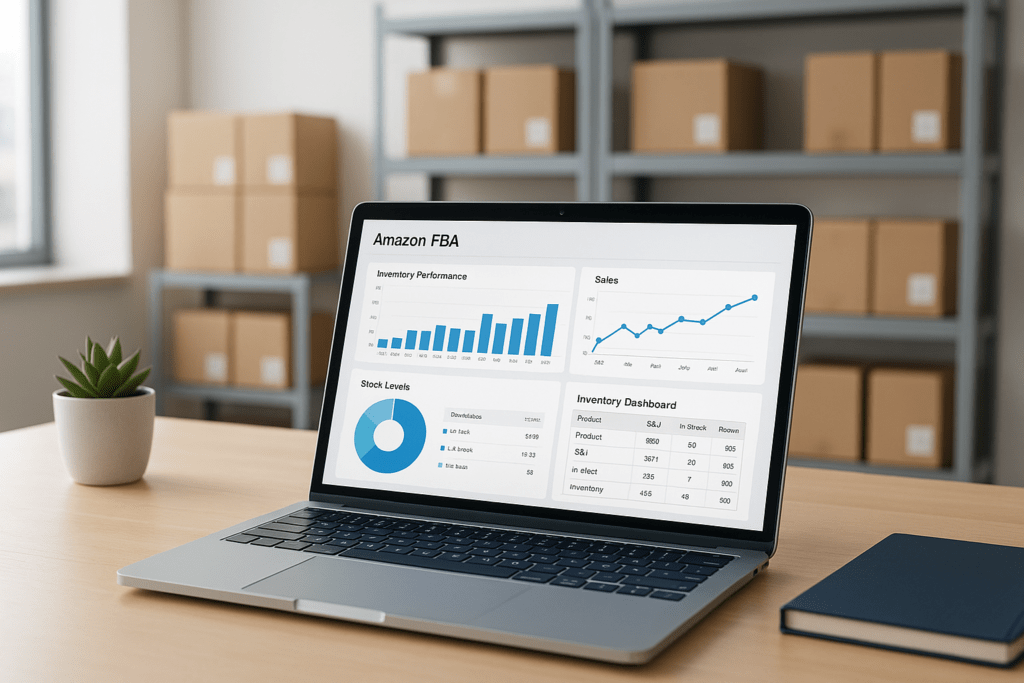
The third principle is regular monitoring. Inventory levels can change quickly especially for fast selling products so checking your numbers daily or weekly is essential. Amazon provides tools such as inventory reports restock recommendations business reports and inventory performance dashboards. Sellers must use these tools consistently to stay ahead of problems.
The fourth principle is optimizing supply chain efficiency. Sellers must work with suppliers who are reliable and who can meet deadlines. Clear communication and strong relationships with manufacturers reduce the risk of delays. Improving shipping times whether through faster logistics routes or better freight planning can make a huge difference in maintaining inventory health.
The fifth principle is integration. Sellers who use inventory management software often outperform those who track everything manually. Automation eliminates human error sends alerts and helps maintain accurate stock levels across multiple marketplaces. The right system saves time money and reduces stress.
Mastering Inventory Forecasting for FBA:
Inventory forecasting is the heart of avoiding stockouts. Every Amazon seller must understand how to predict future sales accurately. Forecasting starts with reviewing your average daily sales. This number tells you how fast your product sells on a normal day. Once you know your daily sales rate you can calculate how many units you will need for the next thirty sixty or ninety days.
Forecasting also requires adjusting for seasonality. For example sales usually increase during holidays such as Christmas New Year or back to school season. Some products experience demand changes based on weather cultural events or market trends. Monitoring past sales data and identifying these seasonal spikes will help you plan better.
You must also analyze competitor behavior. If a major competitor goes out of stock your sales might increase dramatically. If new competitors enter the market your sales may slow down temporarily. Keeping an eye on competitor inventory and price trends helps you respond quickly.
Another key factor is your supply chain lead time. Lead time includes the time it takes to produce your product plus the time required for shipping inspection and delivery to Amazon. Many sellers make the mistake of calculating lead time incorrectly. If your lead time is forty days you must order well before your inventory reaches forty days of remaining stock. You should always add extra days to your lead time to allow for delays.
Using inventory forecasting software or Amazon tools can make forecasting far easier. These tools automatically calculate demand send alerts and show trends so you always know when to reorder. Whether you manually calculate or use software the goal is to maintain accurate predictable stock levels at all times.
| Pros | Cons |
|---|---|
| Effective inventory planning helps sellers avoid revenue loss and maintain strong product ranking. | Poor tracking of lead times can still cause delays that put sellers at risk of unexpected stockouts. |
| Accurate forecasting and strong supplier coordination provide long term stability and business growth. | Relying only on manual systems increases chances of errors and limits scalability for growing brands. |
Building Strong Supplier Relationships for Faster Lead Times:
A reliable supplier is a powerful asset in FBA inventory management. Strong relationships with your manufacturers can reduce lead times improve production quality and provide faster responses during urgent restocking needs. Many sellers struggle with suppliers who delay product creation or shipping which causes inventory shortages. To avoid this problem you must choose suppliers carefully and maintain open communication.
You should always discuss lead times honestly and clarify expectations from the beginning. Ask suppliers about their production capacity especially during busy seasons. The more information you have the better you can plan. You can also negotiate priority manufacturing for your product if you consistently place orders. Many suppliers give preferred treatment to sellers who have long term partnerships.
Having multiple suppliers for the same product can protect your business. If one supplier experiences delays you can shift production to another. This reduces dependence and protects you from unexpected disruptions. Keeping backup suppliers is a smart strategy especially for high demand products.
By maintaining professional respectful relationships with suppliers you create trust. This trust leads to better pricing faster service and more consistent production. Suppliers are more likely to prioritize sellers who communicate clearly pay on time and place regular orders. All these improvements directly contribute to better inventory stability and fewer stockouts.
Preventing Stockouts with Safety Stock:
Safety stock is an extra cushion of inventory that protects you from unexpected demand spikes or delays. The purpose of safety stock is to ensure that even if something goes wrong you will still have enough products on hand. To calculate safety stock sellers should consider their sales volatility and lead time variability.
For example if sales fluctuate frequently or if shipping times vary widely you will need a larger safety cushion. If your sales are stable and your supplier is reliable you may keep a smaller buffer. The goal is to create a layer of protection that prevents emergencies.
Safety stock is especially important during holidays or during product launches. New products with unpredictable demand require extra inventory until enough data is collected to forecast accurately. Without safety stock sellers expose themselves to unnecessary risk and potential loss of revenue.
By maintaining safety stock you create a business environment where uncertainty has less impact. This approach builds stability and keeps your store competitive.
Mistakes Sellers Make in FBA Inventory Management:
Many sellers fall into common traps when managing inventory. One major mistake is relying only on gut instinct instead of data. Without accurate sales analysis sellers often misjudge demand and either overstock or run out.
Another mistake is ignoring lead time. If sellers forget to calculate the time required for production and shipping they order too late and face stockouts.
Some sellers also fail to monitor inventory regularly. Busy schedules or lack of systems can lead to oversight. Inventory requires constant attention especially for fast selling products.
Another major mistake is not preparing for peak seasons. Waiting until the last minute to restock during holiday seasons is risky. Sales escalate quickly and warehouses become crowded which slows down processing times.
Finally many sellers hesitate to invest in automation or software. Manual tracking works for small businesses but becomes impossible as sales grow. Software tools are not expenses but investments that prevent costly mistakes.
How to Recover After a Stockout:
Even with the best management practices stockouts can still happen. When they do sellers need a recovery plan. The first step is restocking quickly. You should contact your supplier immediately and request priority production or expedited shipping if necessary. Even if it costs slightly more recovering quickly can prevent long term ranking damage.
While waiting for inventory to arrive you can update your listing and inform customers that restocking is in progress. Sometimes enabling backorders can help maintain sales although this depends on Amazon rules for your specific category.
Once back in stock focus on rebuilding sales velocity. This may require increasing advertising or offering small promotions to regain ranking. You must also analyze what caused the stockout to prevent it from happening again.
Recovery takes time but with the right strategy you can regain momentum and continue growing your brand.
Steps to Build a Long Term Inventory Strategy:
A long term inventory strategy ensures your business remains stable and profitable year after year. The first step is creating a forecasting system that tracks sales trends competitor behavior and seasonal fluctuations. Consistency is key. You must update your forecasts monthly or quarterly.
The second step is improving supplier relationships. Long term success depends on reliable partners who understand your needs and support your business growth.
The third step is building automation into your workflow. Automated tools track everything accurately and help you scale operations effortlessly.
The fourth step is analyzing performance regularly. You must check Amazon reports evaluate storage fees monitor ranking changes and adjust your inventory strategy based on results.
The final step is preparing for growth. As your sales increase your inventory needs change. Planning ahead ensures your systems grow with your business.
By following these steps you create a strong foundation that supports expansion and long term success.
Conclusion:
FBA inventory management is one of the most important skills for any Amazon seller who wants to build a profitable and stable business. Avoiding stockouts is not just about keeping products available it is about protecting your ranking nurturing customer trust and maintaining long term momentum. When sellers understand forecasting supply chain efficiency buffer stock automation and multi channel management they gain complete control over their operations. With a disciplined approach strong systems and consistent monitoring you can prevent problems before they occur and build a sustainable Amazon business that grows year after year. The strategies in this blog are designed to help you maintain healthy inventory avoid stockouts and take your FBA business to the next level. Success begins with preparation and the sellers who manage inventory wisely are the ones who thrive.
What is the best way to avoid stockouts in FBA inventory management?
How much safety stock should I keep for my Amazon products?
Can software really help with FBA inventory management?
-
Mary
- December 9, 2025
- 2:10 pm
- Reading time 10 min
Recent Posts
- All Post
- Amazon Compliance
- Amazon FBA Guide
- amazon market analysis
- Amazon PPC
- Amazon Stock
- Amazon Tools
- Business Strategy
- Ecommerce News & Analysis
- Full Account Management Services
- Guide
- Guide 2025
- News
- News 2026
- PPC Services
- Prime day
- Stories
- Team Memebers
- Technology and Digital Services
- Top Agencies
- Top PPC tools
- Why we are Unique?

Get a Quick Solution
Need help fast? Our expert team is here to provide you with efficient and reliable solutions tailored to your needs. Don’t wait—reach out today!
Categories
- Amazon Compliance (5)
- Amazon FBA Guide (6)
- amazon market analysis (2)
- Amazon PPC (30)
- Amazon Stock (1)
- Amazon Tools (17)
- Business Strategy (12)
- Ecommerce News & Analysis (6)
- Full Account Management Services (106)
- Guide 2025 (20)
- News 2026 (16)
- PPC Services (58)
- Prime day (2)
- Technology and Digital Services (1)
- Top PPC tools (1)
- Why we are Unique? (11)
Subscribe for Growth Tips, Seller Hacks & eCom Wins